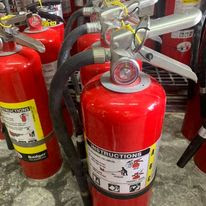
Fire safety is a critical concern for individuals, businesses, and communities alike. Among the various fire safety measures, fire extinguishers play a vital role in containing and extinguishing fires during their early stages. However, simply having fire extinguishers on hand is not enough. Regular inspection and maintenance are essential to ensure that these life-saving devices are in optimal working condition when needed. In this article, we will explore the importance of local fire extinguisher inspection and the benefits it brings to overall safety.
Compliance with Fire Safety Regulations:
Local fire codes and regulations mandate that fire extinguishers must be regularly inspected to ensure they are functional and meet specific requirements. By conducting regular inspections, individuals and businesses can ensure compliance with these regulations, avoiding potential fines and penalties. Moreover, adherence to fire safety regulations demonstrates a commitment to maintaining a safe environment for occupants and employees.
Early Detection of Issues:
Regular local fire extinguisher inspections near me enable early detection of potential issues or defects. Trained professionals can identify problems such as damaged hoses, discharged pressure, or expired extinguishing agents. By catching these issues early, they can be promptly addressed, ensuring that fire extinguishers are fully operational and ready to use in an emergency.
Ensuring Proper Placement and Accessibility:
Inspecting fire extinguishers helps ensure they are placed strategically and are easily accessible. Local inspectors can assess whether extinguishers are mounted at the correct height, in visible locations, and free from obstructions. This evaluation helps to guarantee that in the event of a fire, occupants can quickly locate and utilize the fire extinguishers, minimizing response time and potential damage.
Verification of Pressure and Extinguishing Agent:
Fire extinguishers rely on adequate pressure and the presence of the correct extinguishing agent to effectively put out fires. During local fire extinguisher inspections, professionals verify the pressure levels in the extinguishers, ensuring they are within the recommended range. They also inspect the extinguishing agents to confirm that they have not expired or deteriorated, as expired agents may be less effective or entirely ineffective in suppressing fires.
Recharging and Refilling Extinguishers:
In cases where fire extinguishers have been discharged or have reached their expiration date, local inspections provide an opportunity for recharging or refilling. Trained professionals can recharge the extinguishers with the appropriate extinguishing agent and restore them to their optimal operating condition. This process ensures that fire extinguishers are always ready for use and eliminates the risk of encountering an empty or malfunctioning device during an emergency.
Training and Education:
Local fire extinguisher inspections often involve educating individuals on the proper usage of fire extinguishers. Inspectors can provide valuable information on fire extinguisher types, classes of fires, and the correct technique to operate each type effectively. This training empowers occupants and employees with the knowledge and confidence to respond appropriately during a fire emergency, potentially saving lives and minimizing property damage.
Enhanced Overall Fire Safety:
Regular inspections of fire extinguishers contribute to an enhanced level of overall fire safety. By ensuring that fire extinguishers are in proper working condition, individuals and businesses significantly improve their ability to respond effectively to fires. The rapid containment of fires during their early stages can prevent them from escalating into life-threatening situations or causing extensive property damage.
Conclusion:
Local fire extinguisher inspections are a crucial aspect of fire safety that goes beyond the basic requirement of having fire extinguishers in place. By adhering to fire safety regulations, detecting issues early, ensuring proper placement and accessibility, verifying pressure and extinguishing agents, recharging and refilling extinguishers, and providing training and education, inspections elevate safety to a higher level. Investing in regular inspections not only safeguards lives and property but also demonstrates a commitment to fostering a safe environment. By prioritizing fire extinguisher inspections, individuals and businesses can play an active role in minimizing the devastating impact of fires and promoting the well-being of their communities.
Comments
Post a Comment