In the face of potential fire hazards, having reliable fire protection equipment is paramount for safeguarding lives and property. Whether for residential, commercial, or industrial settings, access to quality fire protection gear is essential. This guide aims to provide comprehensive insights into locating essential fire protection equipment near you, ensuring you're well-prepared to tackle fire emergencies effectively.
Understanding Fire Protection Equipment:
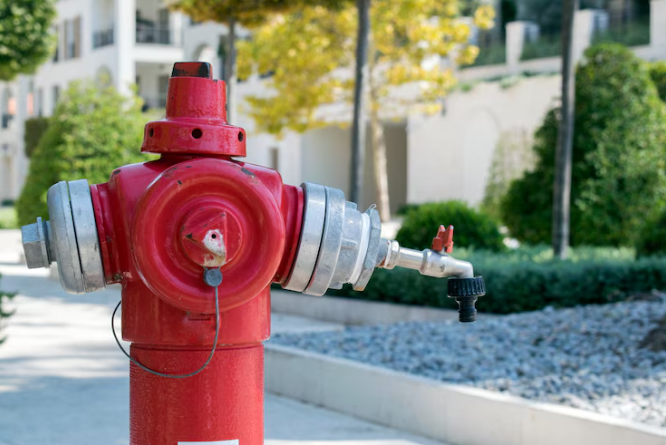
Before diving into where to find fire protection equipment, it's crucial to understand the types available and their respective functions.fire extinguisher inspections near me a range of devices, including fire extinguishers, smoke detectors, fire alarms, sprinkler systems, and fire blankets. Each serves a unique purpose in detecting, containing, or extinguishing fires, tailored to specific environments and fire risks.
Assessing Your Needs:
Identifying the right fire protection equipment starts with assessing your unique requirements. Consider factors such as the size and layout of your property, the nature of activities conducted within it, and any specific fire risks present. For instance, a kitchen may require a different type of fire extinguisher compared to a server room in an office building.
Researching Local Regulations:
Before purchasing fire protection equipment, familiarize yourself with local regulations and building codes governing fire safety. These regulations often dictate the types of equipment required, their placement, maintenance schedules, and certification standards. Compliance with these regulations not only ensures legal adherence but also enhances overall safety measures.
Exploring Suppliers and Retailers:
Once you've determined your needs and acquainted yourself with relevant regulations, it's time to explore suppliers and retailers of fire protection equipment nearby. Start by searching online directories, hardware stores, home improvement centers, and specialized fire safety equipment suppliers in your vicinity. Consider reputable brands known for their quality and reliability in the industry.
Consulting with Experts:
Seeking advice from fire safety professionals or consultants can offer valuable insights into selecting the right equipment for your specific needs. These experts can conduct fire risk assessments, recommend suitable equipment, and provide guidance on installation, maintenance, and compliance with regulations. Their expertise can help optimize your fire protection strategy.
Prioritizing Certification and Quality:
When sourcing fire protection equipment, prioritize products that meet industry standards and certifications. Look for labels such as UL (Underwriters Laboratories), FM Global (Factory Mutual), or NFPA (National Fire Protection Association) approval, indicating compliance with rigorous safety and performance standards. Investing in certified equipment ensures reliability and effectiveness during emergencies.
Considering Maintenance and Servicing:
Effective fire protection extends beyond initial installation; regular maintenance and servicing are essential to ensure equipment functionality when needed. When selecting suppliers, inquire about their maintenance services, including inspection schedules, testing procedures, and emergency repair capabilities. Choose providers that offer comprehensive maintenance plans to keep your equipment in optimal condition.
Budgeting for Cost-Effectiveness:
While prioritizing quality and compliance is crucial, it's also essential to consider budget constraints. Compare prices from different suppliers and assess the overall cost-effectiveness of each option. Keep in mind that investing in high-quality, certified equipment may incur higher initial costs but can lead to long-term savings by reducing the risk of property damage and potential liabilities.
Conclusion:
Locating essential fire protection equipment near you requires careful consideration of various factors, including your specific needs, local regulations, supplier reliability, and budget constraints. By understanding the types of equipment available, conducting thorough research, consulting with experts, and prioritizing quality and compliance, you can effectively enhance fire safety measures for your property. Remember, proactive preparation today can make all the difference in mitigating fire risks and protecting lives and assets tomorrow.
Comments
Post a Comment